
Health and Beauty
5 min read
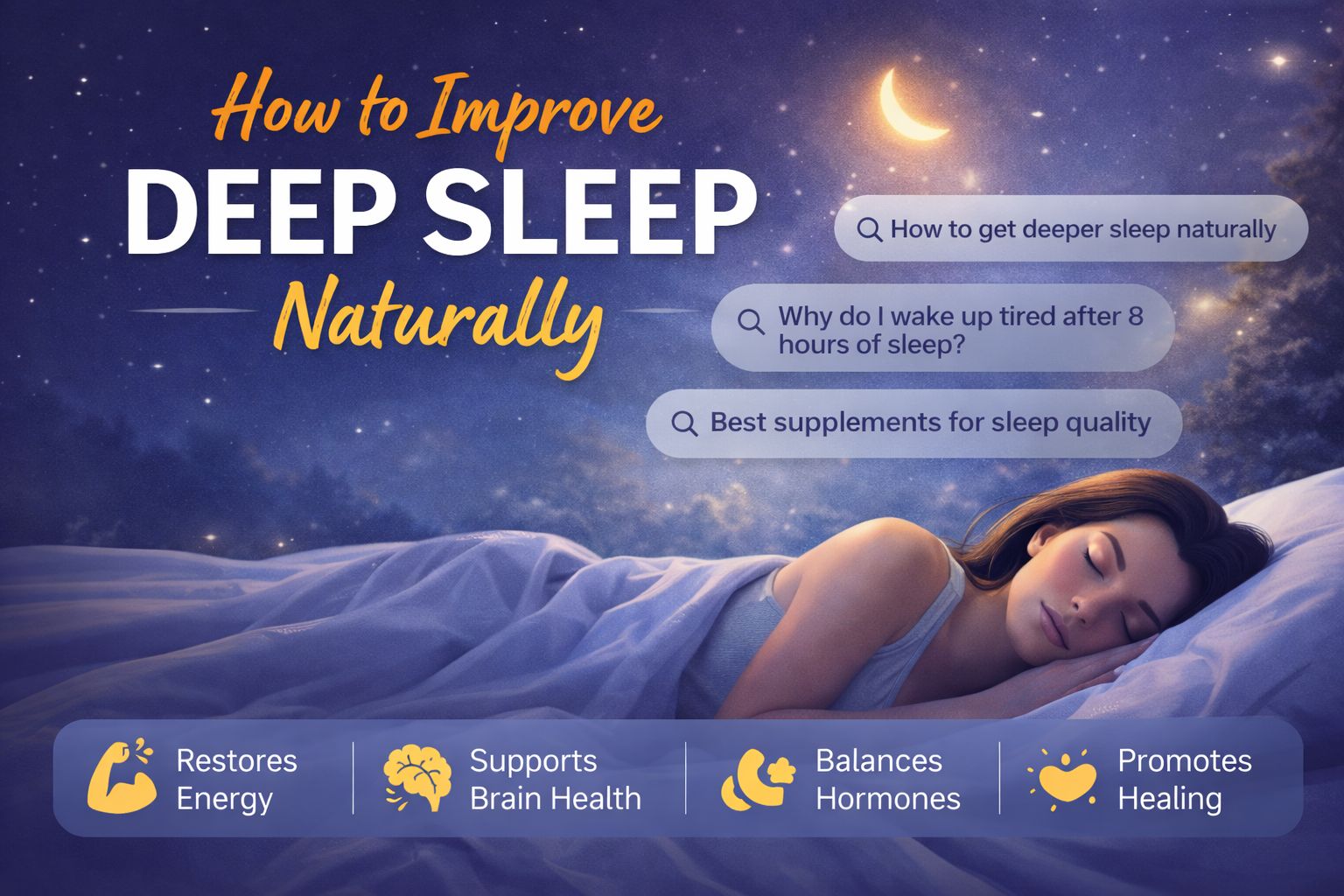
How to Improve Deep Sleep Naturally
April 29 , 2026
By Lillian Ashbaugh
When you're feeling tired, or even after an entire night of sleeping, don't worry.
A lot of people believe that the issue can be traced to "low melatonin," but the truth is much more nuanced.
It's the reason why people search:
- "How to get deeper sleep naturally."
- "Why do I wake up tired after 8 hours of sleep?"
- "Best supplements for sleep quality"
As falling asleep isn't really the main issue for many people, it's being able to stay in the deep sleep that is restorative. Learn more about it through this blog: Melatonin Isn't the Answer - Scientists Found the Real 'Switch' for Deep Sleep.
It is here that new research is revolutionizing the debate, and also how approaches such as those developed by Zerean are getting recognition.
Why Melatonin Alone Isn't Solving Sleep Problems
Melatonin helps signal bedtime.
However, it's not always the case:
- Improve sleep depth
- Cut down on waking up at night
- Relax the nervous system and support it.
- Enhance morning energy
This is why a lot of people have the feeling that:
- The morning is a bit groggy.
- Unrestful at night
- Tired and mentally exhausted despite a good night's sleep
The problem is usually more deeply in how the nervous system controls rest.
The Real "Sleep Switch" Is in Your Brain Chemistry
Sleep quality is strongly influenced by neurotransmitters--not just hormones.
The key players are:
- GABA (Gamma-Aminobutyric Acid) - helps quiet brain activity
- L-Theanine is a stimulant of relaxation as well as Alpha brain waves
- Magnesium is a muscle relaxer that helps regulate the balance of the nervous system
Together, they can help your body transition into a tranquil, peaceful sleep in a state of restorative sleep.
Why Deep Sleep Matters More Than Just Falling Asleep
The deep sleep stage is the state of your body that:
- Repairs muscles
- Restores energy
- Balances hormones
- Helps to improve brain health
If you don't get enough rest, you may feel tired even after sleeping for 7 to 9 hours.
The GABA-First Approach to Better Sleep
The latest research shifts in the direction of supporting the nerve system specifically.
An "GABA-first" approach aims to:
- The brain is calm and relaxed.
- Enhance your sleep and relaxation
- Support deeper sleep cycles
The latter is typically when it is combined with other nutrients, such as
- L-Theanine
- Magnesium
- The compounds that can adapt to the environment
It's not about sleeping, but high-quality sleep structure.
How Key Sleep Nutrients Work Together
Each nutrient performs a unique purpose:
GABA: The Calming Signal
Reduces mental stress and promotes a more relaxed state.
L-Theanine: The Relaxation Support
Enhances the alpha brainwaves connected to a calm and focused mind as well as disconnection.
Magnesium: The Nervous System Regulator
Helps relax muscles and lessens physical strain.
Together, they aid the body in a smooth transition to sleep and the deep stages.
Why Diet Alone May Not Be Enough
A healthy diet may not be able to provide sufficient sleep-supporting nutrients continuously.
Examples:
- Tea is a very small source of L-theanine.
- Magnesium consumption varies throughout the day
- The stress of life can raise the demand for nutrients.
This is the reason specific supplementation is often studied during sleep studies.
Timing Matters for Better Sleep Results
The study often highlights the importance of timing in determining.
The majority of protocols recommend:
- Consuming sleep-support nutrients 30 to 90 minutes prior to getting to bed
- Beware of caffeine for 4 to 6 hours prior to going to sleep
- Establishing a regular nighttime routine
The body is able to move into rest mode.
Why Women Aged 40+ Often Experience Sleep Changes
The quality of sleep can change in the wake of:
- Hormonal fluctuations
- Stress sensitivity increases
- The balance of neurotransmitters changes
- The lightest sleep cycles
This is one reason that targeted strategies for supporting sleep, like those that are explored in Zerean's formulations, backed by research, are becoming more popularly discussed.
The Goal Isn't Just Sleep: It's Restoration
Sleeping well should leave you with a good feeling of:
- Rested
- Clear-minded
- Energized
- Balanced in emotions
It's not just "asleep," but truly rejuvenated.
Common Mistakes That Hurt Sleep Quality
Even with the best of habits, sleeping can be a challenge:
Depends solely on the hormone melatonin
late-night exposure to screens
Consuming a lot of caffeine
Insane sleep patterns
Not paying attention to stress levels and health of the nervous system
The fix for these issues often yields better the results much more than sleeping aids by themselves.
Final Thoughts: Better Sleep Starts With Nervous System Support
If you're having trouble with shallow sleeping or morning fatigue, it's not necessarily strong sedatives. But it is better to have a balanced diet.
Support:
- GABA's activity
- Pathways to relaxation
- Mineral balance
It is possible to help your body naturally transition to more restorative, deeper sleep patterns.
Zerean's scientific-focused approach is a reflection of the shift beyond "just falling asleep" to actual waking up.
The reason is that sleep's success can't be determined by the number of hours you sleep, but rather by the way you feel after you awake.
Frequently Asked Questions (FAQs)
Do you think melatonin is enough to get a good rest?
Melatonin is a stimulant for sleep; however, it may not help enhance the quality or depth of sleep.
What's the role of GABA in the sleep process?
GABA assists in calming of the brain and promotes the relaxation required for a deep sleep.
Can magnesium improve sleep quality?
Yes. Magnesium helps relax muscles and maintain the balance of the nervous system.
What is the most appropriate time to start taking sleep supplements?
The majority of research recommends 30 to 90 minutes prior to going to bed.
Do I really feel tired even after eight hours of rest?
You may not be getting enough deep sleep or restorative sleep cycles.
live smarter
Shop smarter, live better, and stay ahead of the trends with our reliable recommendations!



Home and Decor
6 min read
Where Can You Find the Most Authentic Handmade Products? Explore NOVICA to Find Out

Home and Decor
5 min read
How to Choose Antique Drinking Glassware That Brings Timeless Style to Your Home
Fitness and Sports
4 min read
How to Lose Weight Without Feeling Hungry: Smart Nutrition Strategies That Actually Work

trending
Health and Beauty
5 min read
How to Build a Gentle Skincare Routine for Kids with the Right Products
Health and Beauty
5 min read
How to Choose the Right Hair Care Products for Stronger, Healthier Hair
Health and Beauty
5 min read
How to Choose the Right Health Care Tablet for Better Daily Wellness
Health and Beauty
5 min read
How to Create a Relaxing Home Wellness Space with an Infrared Sauna
Health and Beauty
5 min read